
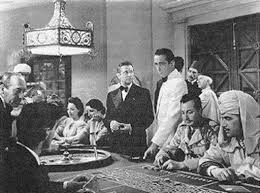
Our team takes a deep dive into Scotland’s complex and often colourful relationship with games of chance, tracing a path from ancient taverns to today’s regulated casino floors. This story is not just about cards and chips; it’s a mirror to Scotland’s social history, reflecting shifts in law, leisure, and urban life. From the clandestine wagers of centuries past to the glittering, licensed venues of modern Glasgow and Edinburgh, gambling has been a persistent, if controversial, thread in the nation’s cultural fabric.
The Early Days: From Taverns to Turf Clubs
Long before the concept of a casino arrived on Scottish shores, the instinct for a wager was alive and well in more informal settings. Scotland’s gambling history is rooted in community and sport, evolving from backroom bets into organised institutions that laid the groundwork for the industry we know today.
Informal Betting in Scottish Taverns
In the 17th and 18th centuries, the local tavern or inn was the heart of social life and the primary venue for gambling. Patrons would engage in games like dice, cards, and dominoes, with bets placed on everything from the turn of a card to the outcome of a cockfight. This form of gambling was largely unregulated, a private matter of honour and debt settled amongst individuals. It was a widespread, if often frowned upon, pastime that cut across social classes, from labourers to the landed gentry.
The Rise of Horse Racing and Turf Clubs
The 18th century saw the formalisation of betting with the rise of horse racing. Scotland’s first recorded race meeting was at Leith in 1504, but it was in the 1700s that organised racecourses and associated “turf clubs” began to flourish. These clubs, such as the Caledonian Hunt, provided a more respectable and structured environment for wagering. They established rules, set odds, and created a dedicated space for the wealthier echelons of society to gamble. This shift from the chaotic tavern to the ordered club was a crucial step towards the commercial betting establishments of the future.
The 20th Century: Regulation and the Birth of Modern Casinos
The turning point for gambling in Scotland, as in the rest of Britain, came in the post-war era. A growing demand for legal, controlled betting environments led to landmark legislation that would permanently change the landscape.
The Impact of the 1960 Betting Act
For centuries, most forms of commercial gambling were illegal under various acts. This changed with The Betting and Gaming Act 1960, a revolutionary piece of legislation that legalised casinos and betting shops in the UK for the first time. The Act aimed to bring gambling out of the shadows and into a regulated, taxable environment. It introduced a licensing system for premises and set the foundational rules for how games of chance could be legally operated, paving the way for the first official casinos.
The First Licensed Casinos in Scotland
Following the 1960 Act, Scotland’s first licensed casinos began to appear in the early 1960s. These were often modest, members-only clubs, a world away from the sprawling resort-style venues seen elsewhere. They were concentrated in the major cities, with Glasgow and Edinburgh naturally leading the way. These pioneering venues established the model of late-night entertainment, offering table games like roulette and blackjack in a formal, club-like atmosphere, setting the standard for decades to come.
Scottish Casino Landmarks: Glasgow and Edinburgh
The development of casino culture in Scotland’s two largest cities has followed distinct paths, each reflecting its own unique character and urban geography. Today, both offer a range of experiences, from traditional gaming rooms to modern leisure complexes.
Glasgow’s Casino Scene and the Merchant City
Glasgow’s casino scene is vibrant and central, with a significant cluster found in the stylish, regenerated Merchant City, Glasgow area. This historic district, once the hub of the city’s tobacco and textile trade, now houses several of its most prominent casinos. The standout venue here is the Grosvenor Casino Glasgow on Glassford Street. Housed in a magnificent former bank building, it perfectly symbolises the blend of heritage and modern leisure, offering gaming floors, a poker room, and dining under ornate Victorian ceilings. Glasgow’s casinos tend to be larger, often acting as full-scale entertainment destinations.
The Contrasting Style of Edinburgh’s Casinos
Edinburgh’s approach is typically more discreet and refined, in keeping with the city’s architectural elegance and tourist-driven economy. Casinos here are often integrated into the New Town’s Georgian terraces or tucked away just off the Royal Mile, offering an intimate, club-like atmosphere. The focus is on classic table games and a quieter, more reserved clientele mix of locals and international visitors. While Glasgow’s venues shout their presence, Edinburgh’s often whisper, providing a sophisticated bolt-hole from the city’s bustling streets.
The Legal Framework: Scottish Gambling Laws Today
The legal landscape governing Scottish casinos is a blend of UK-wide statute and local oversight. Understanding this framework is key to appreciating how the industry operates north of the border.
The UK Gambling Act 2005 and Licensing
The cornerstone of modern regulation is The Gambling Act 2005. This comprehensive legislation replaced the 1960 Act and created a unified regulator, the UK Gambling Commission. The Commission’s role is paramount:
- Issuing operating licenses to casino companies.
- Ensuring games are fair and transparent.
- Protecting children and vulnerable people from harm.
- Overseeing the integrity of the industry and cracking down on crime.
Any casino operating in Scotland, from the largest Grosvenor to the smallest independent club, must hold a Commission license.
The Scottish Perspective and Local Authority Control
While the operating rules are set by Westminster and the UK Gambling Commission, Scotland exercises significant control at a local level. Casino operators must also obtain a premises license from the local council where the venue is based. This dual licensing system means local authorities in Glasgow and Edinburgh have a direct say in the number, location, and opening hours of casinos in their areas. This devolved power allows for policies that reflect local community concerns and priorities, creating a distinct Scottish layer to the UK-wide regulatory framework.
The Social Impact and Future of Gambling in Scotland
The presence of casinos in Scotland continues to spark informed debate. As the industry evolves, the balance between economic contribution and social welfare remains a central topic for policymakers and the public alike.
Economic Benefits vs. Social Responsibility
On one hand, casinos like the Grosvenor Casino Glasgow contribute to the economy through job creation, tourism, and local business rates. They are often part of larger night-time economy strategies. On the other, there is an ongoing and serious focus on problem gambling. The industry, compelled by the Gambling Commission, invests heavily in safer gambling initiatives, staff training, and self-exclusion schemes. The challenge is to foster a responsible entertainment sector while mitigating the potential for harm, a tightrope walk that defines much of the current regulatory focus.
The Digital Shift and What’s Next
The future of gambling is being reshaped by technology. The rise of online casinos and mobile betting apps presents both a challenge to traditional brick-and-mortar venues and a new frontier for regulation. While physical casinos adapt by enhancing their experiential offerings—fine dining, live sports screening, and events—the regulator’s attention is increasingly on the digital space. The next chapter in Scotland’s gambling story will likely involve further updates to the 2005 Act, with tighter controls on online stakes, advertising, and affordability checks to protect consumers in the digital age.
Scotland’s gambling story is one of constant adaptation, reflecting broader social changes and ongoing debates about risk, reward, and regulation. From the taverns of the past to the digital platforms of the future, the nation’s relationship with games of chance continues to evolve, forever balancing the thrill of the wager with the imperative of responsibility.
